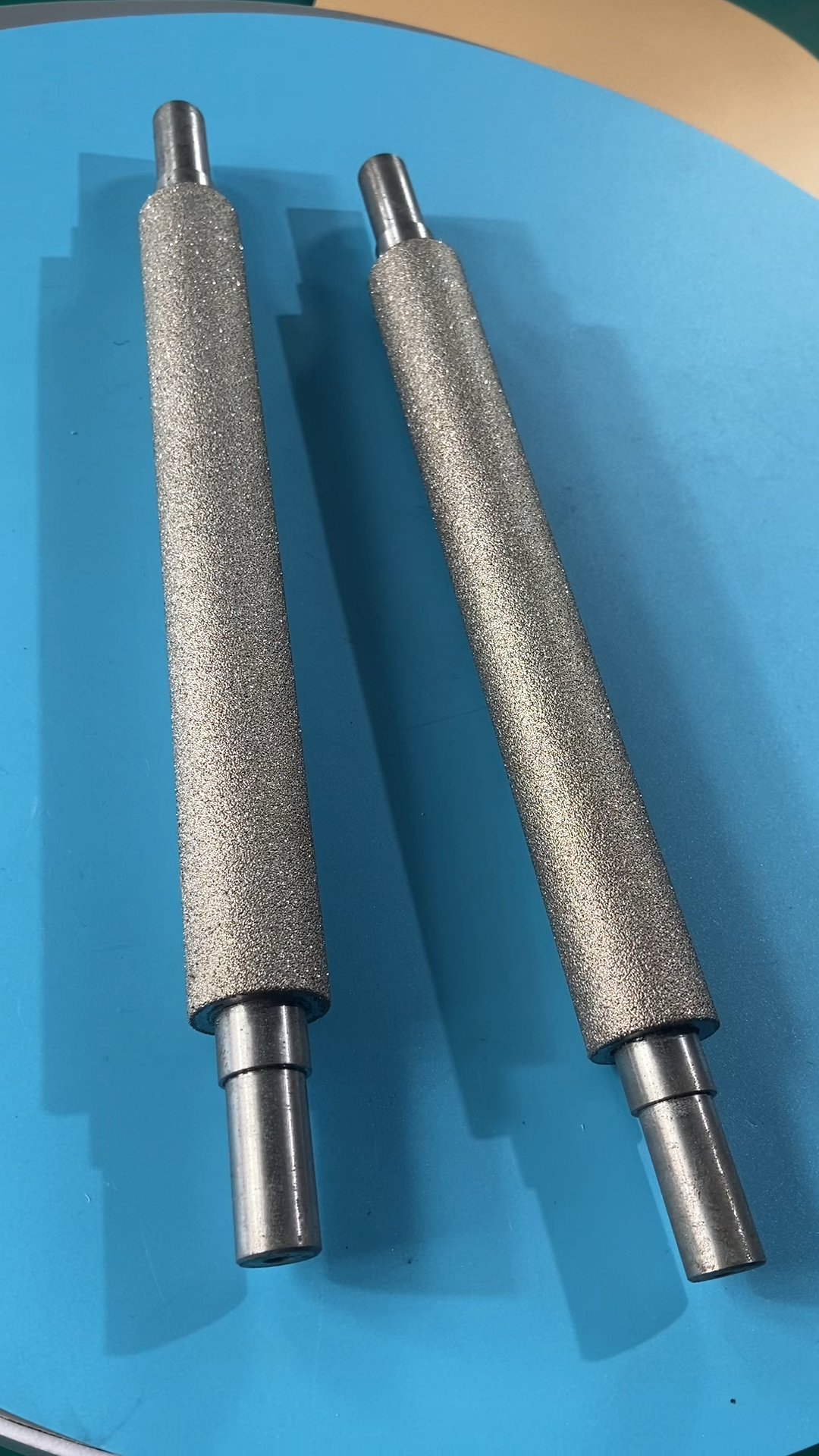
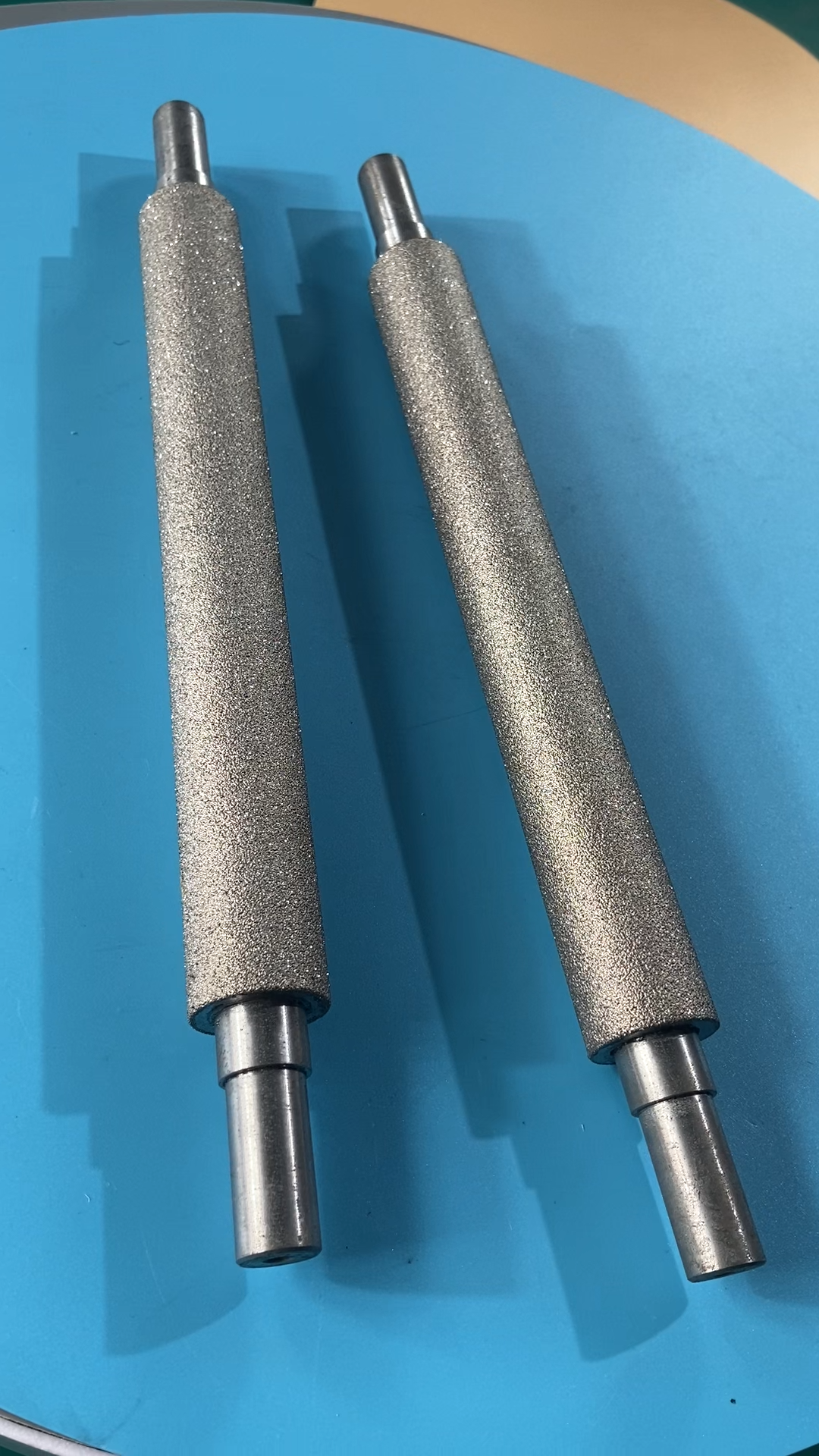
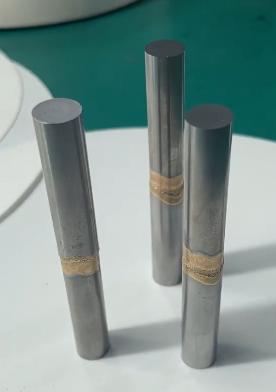
Diamond tools are essential in industries requiring high-precision cutting, grinding, drilling, and machining. Their superior hardness and wear resistance make them ideal for processing hard materials such as stone, ceramics, concrete, composites, and metals.
To achieve reliable performance and long service life, manufacturers rely on vacuum brazing technology to produce high-quality diamond tool assemblies with strong metallurgical bonding.
Why Vacuum Brazing Is Essential for Diamond Tools
Diamond tools operate under extreme mechanical stress, high temperatures, and abrasive environments. Weak bonding between the diamond segment and substrate can lead to premature failure and reduced cutting performance.
Vacuum brazing provides an effective joining solution by creating strong and reliable bonds without contamination or oxidation.
Key advantages include:
Strong bonding strength between diamond and substrate
Improved cutting efficiency
Better heat resistance during operation
Longer service life and reduced tool wear
Consistent quality in mass production
These benefits make vacuum brazing a preferred manufacturing process for high-performance diamond tools.
Challenges in Diamond Tool Manufacturing
Manufacturing diamond tools requires careful control of temperature and material compatibility.
Common challenges include:
Preventing oxidation during heating
Avoiding thermal damage to diamond particles
Ensuring uniform filler metal distribution
Achieving strong adhesion under heavy working loads
Traditional joining methods may struggle to maintain bond strength and process consistency.
Advantages of Vacuum Brazing Technology
Vacuum brazing provides a highly controlled furnace environment that ensures clean and reliable joining.
Oxidation-Free Processing
The vacuum atmosphere prevents contamination and oxidation during brazing.
Strong Metallurgical Bonding
Precise temperature control creates reliable bonding between diamond particles and metal components.
Uniform Heat Distribution
Controlled heating minimizes stress and improves product consistency.
High Production Repeatability
Vacuum furnaces support stable, batch-to-batch manufacturing quality.
These advantages are critical for industrial tool performance.
Performance Benefits of Vacuum-Brazed Diamond Tools
Finished vacuum-brazed diamond tools offer several operational benefits:
Superior cutting and grinding performance
High wear resistance and durability
Faster material removal rates
Reduced downtime and maintenance
Reliable performance under demanding conditions
These features are essential for industries focused on productivity and precision.
Applications in Industrial Sectors
Vacuum-brazed diamond tools are widely used in:
Stone cutting and granite processing
Construction and concrete cutting
Ceramic and glass machining
Metalworking and industrial tooling
Precision manufacturing industries
As industrial demand for precision tooling grows, high-quality diamond brazing becomes increasingly important.
Normantherm Vacuum Brazing Solutions
At Normantherm, advanced vacuum brazing furnaces are designed to support high-performance diamond tool manufacturing.
Our systems provide:
High-vacuum, contamination-free processing
Precise temperature control and uniform heating
Reliable brazing for complex diamond tools
Consistent and repeatable production quality
These capabilities help manufacturers achieve durable and high-performance diamond tool products.
Conclusion
Vacuum brazing of diamond tools ensures strong bonding, superior cutting performance, and long service life for demanding industrial applications. By maintaining clean processing conditions and precise thermal control, manufacturers can produce reliable tools for precision cutting and machining.
With advanced furnace technology and extensive brazing expertise, Normantherm continues to provide dependable solutions for high-performance diamond tool manufacturing.
You may also like
Vacuum Welding of Cemented Carbide and Cr12MoV Steel for High-Performance Tooling
In modern tooling and die manufacturing, materials must withstand extreme wear, repetitive stress, and demanding production environments. To achieve this, manufacturers often combine cemented carbide with Cr12MoV steel to create tooling components with improved durability and performance.
Carbon steel is strong and cost-effective. Stainless steel is corrosion-resistant and durable. Welding them together gives you a component that takes advantage of both materials without sacrificing either.
Comparison of H13 and Tungsten Carbide Before and After Vacuum Brazing
Before vacuum brazing H13 mold steel and tungsten carbide are just separate pieces. Two different materials sitting side by side but not yet working together. H13 brings toughness and thermal stability. Tungsten carbide delivers extreme hardness and wear resistance.