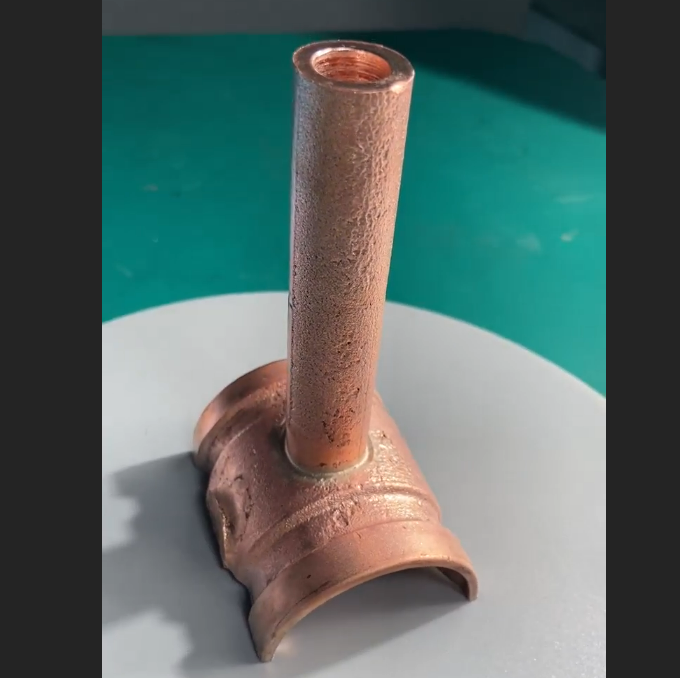
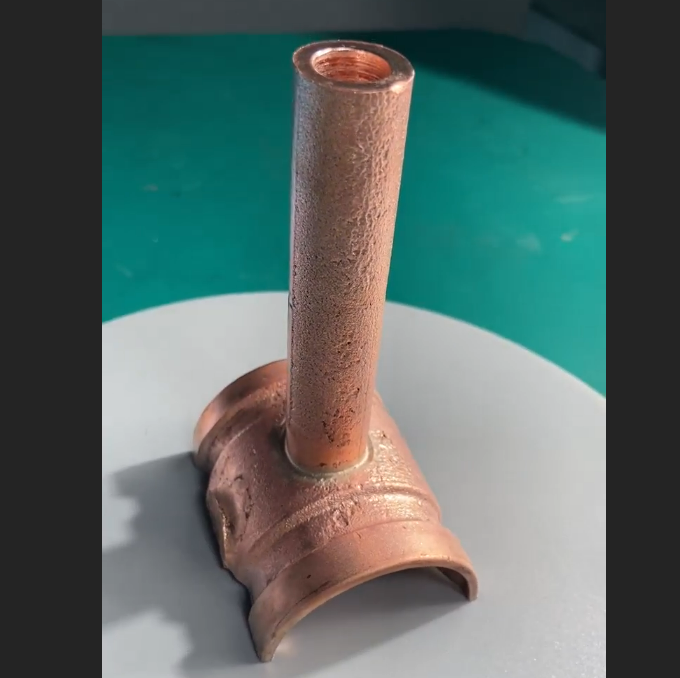
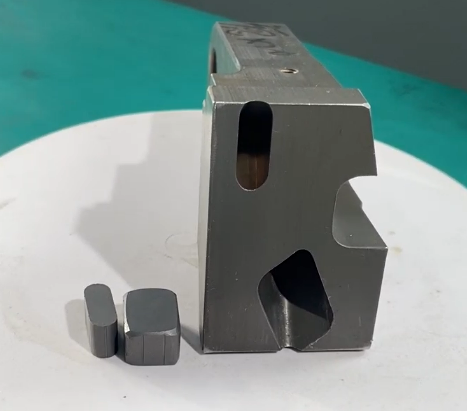
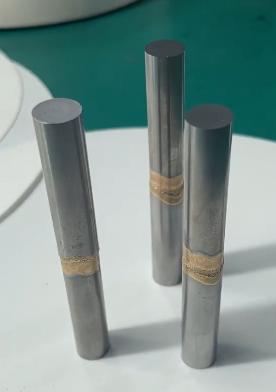
Copper Welded Finished Products for High-Performance Industrial Applications
Normantherm•5/17/2026
Copper is one of the most widely used engineering materials in industries requiring excellent electrical conductivity, thermal efficiency, and reliable mechanical performance. From power systems to cooling equipment, welded copper components play a critical role in modern industrial applications.
To achieve high-strength joints and maintain copper’s performance characteristics, manufacturers increasingly rely on advanced vacuum welding and brazing technologies.
Why Copper Is Widely Used in Industrial Manufacturing
Copper is valued for its unique combination of electrical and thermal properties.
Key advantages include:
Exceptional electrical conductivity
High thermal conductivity for heat transfer
Good corrosion resistance
Excellent machinability and formability
Reliable long-term performance
These properties make copper suitable for demanding industrial environments.
Challenges in Welding Copper Components
Copper welding requires precise process control because the material conducts heat rapidly and can oxidize easily at elevated temperatures.
Manufacturers commonly face challenges such as:
Oxidation during heating
Difficulty maintaining joint consistency
Heat dissipation affecting weld quality
Risk of weak bonding in complex assemblies
To overcome these issues, controlled furnace environments are essential.
Advantages of Vacuum Welding and Brazing for Copper
Vacuum welding and brazing provide a highly controlled process environment that improves the quality of copper joints.
Key benefits include:
Oxidation-Free Processing
The vacuum environment eliminates oxygen, preserving copper surface quality and conductivity.
Strong Metallurgical Bonding
Uniform heat distribution ensures clean and durable joints.
Improved Product Reliability
Consistent joining improves performance in high-temperature and high-current applications.
High Repeatability for Production
Vacuum furnaces ensure stable quality across production batches.
These advantages make vacuum joining ideal for copper-based components.
Performance Benefits of Copper Welded Products
Finished copper welded products provide several operational advantages:
High electrical efficiency
Excellent heat transfer capability
Strong and reliable structural integrity
Long service life under continuous operation
Stable performance in demanding environments
These characteristics are critical for industrial reliability.
Applications in India’s Industrial Sectors
In India, welded copper products are widely used in:
Power electronics and switchgear systems
Heat exchangers and cooling systems
Semiconductor equipment
Electrical connectors and assemblies
Renewable energy systems
As industries continue to modernize, demand for high-performance copper components is growing rapidly.
Normantherm Vacuum Furnace Solutions
At Normantherm, advanced vacuum furnace systems are designed for precision copper welding and brazing applications.
Our systems provide:
High-vacuum, contamination-free environments
Accurate temperature control and uniform heating
Reliable joining for complex copper structures
Consistent and repeatable production quality
These capabilities help manufacturers produce high-quality copper components with confidence.
Conclusion
Copper welded finished products play a vital role in industries requiring superior conductivity, heat transfer, and long-term reliability. Through advanced vacuum welding and brazing technology, manufacturers can achieve clean, durable, and high-performance copper joints.
With advanced furnace technology and proven expertise, Normantherm continues to support industrial manufacturers with reliable solutions for copper joining and precision thermal processing.
You may also like
Vacuum Welding of Cemented Carbide and Cr12MoV Steel for High-Performance Tooling
In modern tooling and die manufacturing, materials must withstand extreme wear, repetitive stress, and demanding production environments. To achieve this, manufacturers often combine cemented carbide with Cr12MoV steel to create tooling components with improved durability and performance.
Carbon steel is strong and cost-effective. Stainless steel is corrosion-resistant and durable. Welding them together gives you a component that takes advantage of both materials without sacrificing either.
Comparison of H13 and Tungsten Carbide Before and After Vacuum Brazing
Before vacuum brazing H13 mold steel and tungsten carbide are just separate pieces. Two different materials sitting side by side but not yet working together. H13 brings toughness and thermal stability. Tungsten carbide delivers extreme hardness and wear resistance.