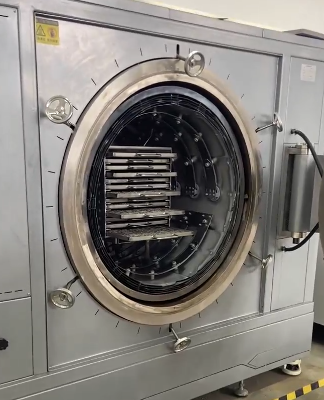
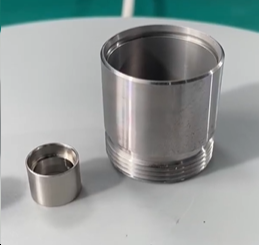
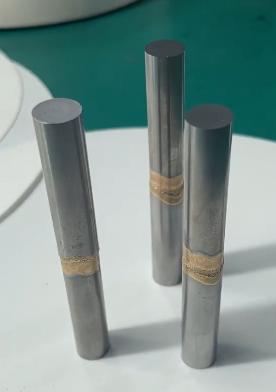
316L stainless steel is known for excellent corrosion resistance but its mechanical properties depend heavily on heat treatment. Without proper thermal processing the material may not shape well during forming lack sufficient hardness for certain applications or have an inconsistent grain structure that affects performance.
Our precision heat treatment solves all three problems.
First shaping performance improves. A properly heat treated 316L blank forms more predictably under bending stamping or drawing operations. The material moves where you want it to without cracking or springing back unexpectedly.
Second hardness increases. While 316L is not a high hardness steel optimized heat treatment can still develop meaningful strength improvements that extend component life in wear-prone applications. Third and most important grain structure optimization occurs. A refined uniform grain structure delivers better mechanical properties across the board. Strength improves. Toughness increases. Dimensional stability holds tight through subsequent machining and service.
Corrosion resistance remains excellent because our process never compromises the alloy's chemistry. The result is a 316L component that performs better lasts longer and handles demanding conditions with confidence.
This heat treatment is ideal for high-performance industrial applications where shaping hardness and grain structure matter. When standard 316L is not quite enough precision heat treatment makes the difference.
You may also like
Vacuum Welding of Cemented Carbide and Cr12MoV Steel for High-Performance Tooling
In modern tooling and die manufacturing, materials must withstand extreme wear, repetitive stress, and demanding production environments. To achieve this, manufacturers often combine cemented carbide with Cr12MoV steel to create tooling components with improved durability and performance.
Carbon steel is strong and cost-effective. Stainless steel is corrosion-resistant and durable. Welding them together gives you a component that takes advantage of both materials without sacrificing either.
Comparison of H13 and Tungsten Carbide Before and After Vacuum Brazing
Before vacuum brazing H13 mold steel and tungsten carbide are just separate pieces. Two different materials sitting side by side but not yet working together. H13 brings toughness and thermal stability. Tungsten carbide delivers extreme hardness and wear resistance.