 Industry News
Why Choose Vacuum Brazing for Diamond Tools?
Normantherm•5/24/2026
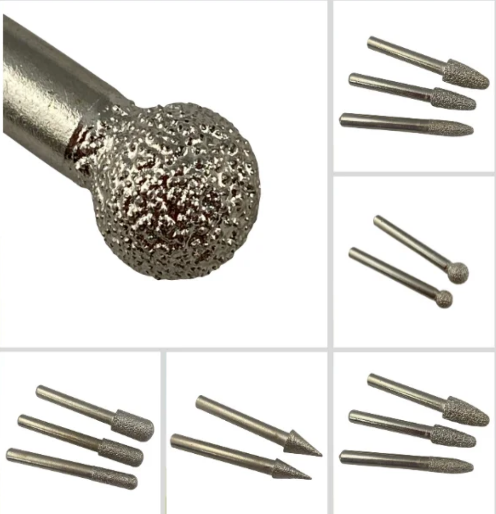
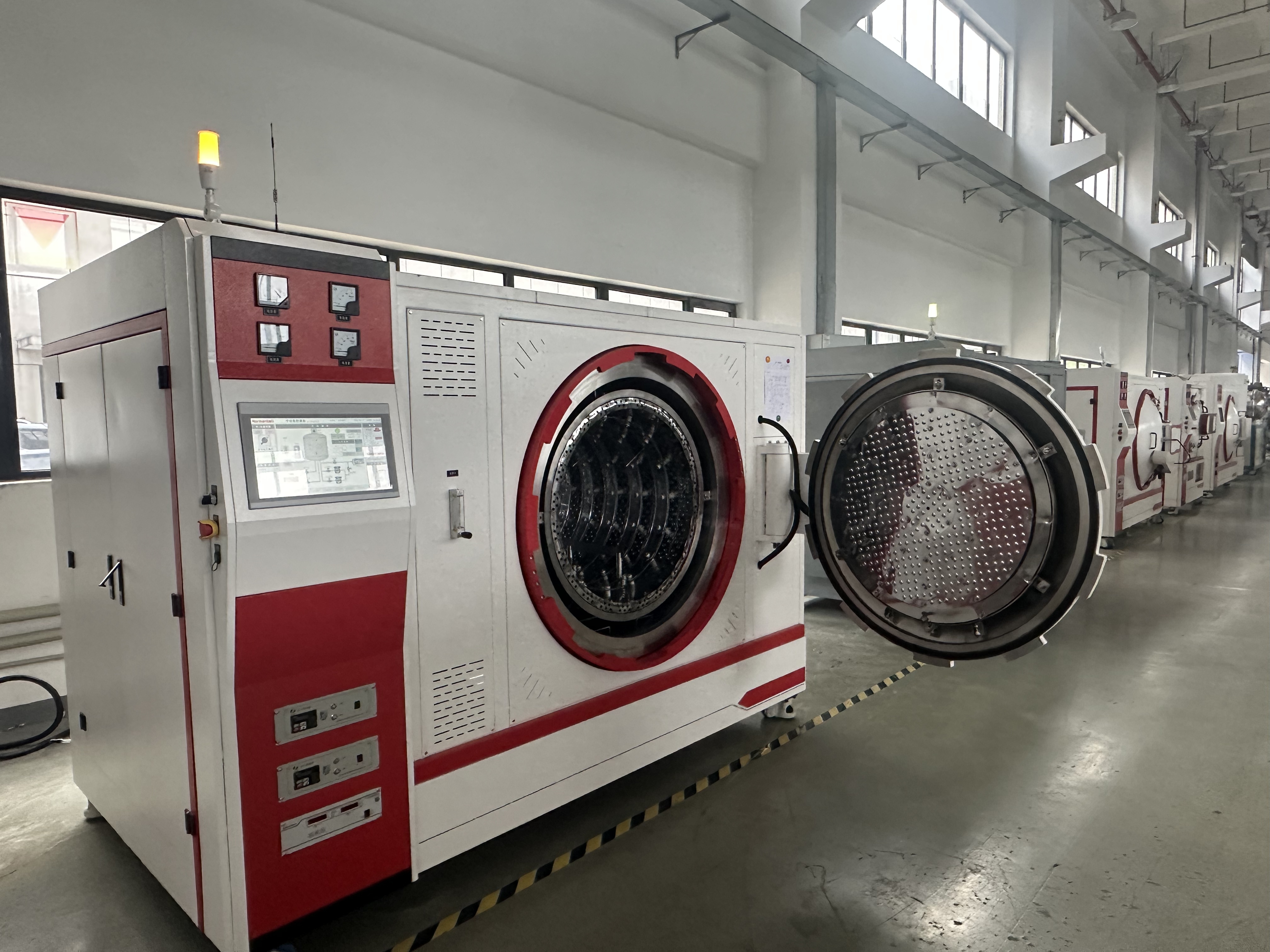
Vacuum brazing is the gold standard for manufacturing high-performance diamond tools. Compared to traditional soldering, it offers superior bond strength, cleaner processing, and better tool longevity.
Discover why top manufacturers rely on vacuum brazing to elevate their production:
1. Superior Bond Strength for Difficult Materials
Diamond, PCD (Polycrystalline Diamond), and PCBN (Polycrystalline Cubic Boron Nitride) are notoriously difficult to wet using standard methods. Vacuum brazing creates ultra-high-strength joints that securely anchor these hard materials to the tool body. The result is a radically durable bond that directly translates to extended tool life and peak performance under harsh operating conditions.
2. Flux-Free, Clean, and Eco-Friendly Processing
Traditional soldering relies on chemical fluxes that leave behind corrosive residues and impurities, which can compromise diamond integrity. Vacuum brazing eliminates the need for fluxes or harsh chemicals entirely. Operating in a pristine vacuum environment ensures an exceptionally clean process, protecting the purity of the diamond and offering an environmentally sustainable manufacturing solution.
3. Elimination of Thermal Stress
Localized heating causes uneven expansion, warping, and micro-cracking. Vacuum brazing provides a highly constant and uniform temperature distribution across the entire component during both heating and cooling cycles. This precise thermal control prevents dangerous residual stresses, fully preserving—and often enhancing—the mechanical and thermal properties of the diamond tool.
4. High-Efficiency Batch Production
Because the vacuum furnace relies on uniform radiant heat, every workpiece is exposed to the exact same thermal cycle simultaneously. This allows manufacturers to join multiple components with complex, multi-point joints in a single cycle. Maximizing your throughput this way slashes production time and significantly lowers per-part manufacturing costs.