Vacuum Brazing of Stainless Steel, Copper, and Ceramic for High-Performance Ceramic Electrodes
Normantherm•3/17/2026
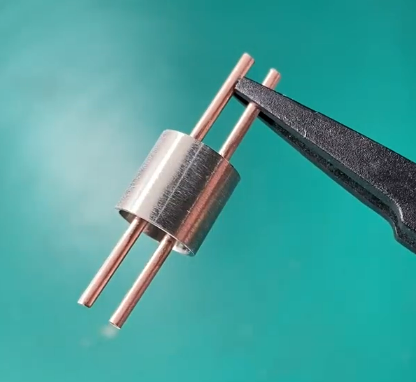
Modern industrial equipment often requires components that combine different materials to achieve optimal performance. Ceramic electrodes are one such example, where metals and ceramics are joined together to provide electrical conductivity, structural strength, and high-temperature resistance.
Joining stainless steel, copper, and ceramic components is a complex manufacturing challenge because these materials have significantly different physical and thermal properties. Advanced vacuum brazing technology makes it possible to create reliable joints between these dissimilar materials.
At Normantherm, vacuum furnace systems are used to produce high-quality ceramic electrode assemblies by enabling precise and contamination-free joining processes.
Challenges in Welding Metal and Ceramic Materials
Joining metals with ceramics is significantly more difficult than welding similar metals. The main challenges include:
Different thermal expansion coefficients
High brittleness of ceramic materials
Limited wetting ability of ceramics by standard filler metals
Risk of cracking during heating and cooling cycles
To overcome these issues, specialized brazing materials and carefully controlled vacuum furnace environments are required.
Materials Used in Ceramic Electrode Assemblies
High-performance ceramic electrodes typically combine several materials to achieve desired functional properties.
Stainless Steel
Stainless Steel provides structural integrity and corrosion resistance. It acts as a durable support structure for the electrode assembly.
Copper
Copper is widely used for its excellent electrical and thermal conductivity. It allows efficient electrical transmission through the electrode.
Ceramic
Industrial Ceramic materials offer outstanding heat resistance, electrical insulation, and chemical stability. These properties make ceramics ideal for use in high-temperature and electrical applications.
Role of Vacuum Brazing in Ceramic Electrode Manufacturing
Vacuum brazing is one of the most reliable methods for joining metal and ceramic materials.
In this process, the assembled components are heated inside a vacuum furnace while a specially designed brazing filler metal melts and forms a bond between the surfaces.
Applications of Ceramic Electrodes
Ceramic electrodes joined with stainless steel and copper are widely used in industries requiring high electrical performance and thermal stability.
Typical applications include:
Semiconductor manufacturing equipment
Industrial heating systems
Electrical contact assemblies
Vacuum electronic devices
High-temperature sensors and components
These applications require reliable bonding between materials to ensure long-term performance under extreme conditions.
Normantherm Vacuum Furnace Solutions
Normantherm provides advanced vacuum furnace technology specifically designed for precision brazing of complex multi-material components.
Key features include:
High-vacuum processing environments
Precise temperature control and uniformity
Reliable joining of metal and ceramic components
Stable production for high-performance industrial parts
These capabilities allow manufacturers to produce durable ceramic electrodes with consistent quality.
Conclusion
The welding and brazing of stainless steel, copper, and ceramic materials is essential for manufacturing advanced ceramic electrodes used in high-performance industrial applications. By using vacuum brazing technology, manufacturers can achieve strong, reliable joints between these dissimilar materials.
With precise temperature control and oxidation-free processing, Normantherm vacuum furnace systems provide an effective solution for producing high-quality ceramic electrode assemblies used in modern industrial and electronic technologies.
You may also like
Silicon carbide heating plate electrode welding
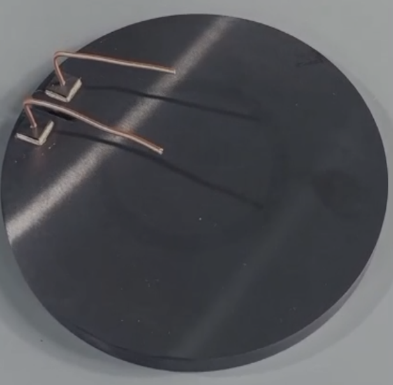
Silicon carbide heating plate electrode welding is a specialized joining process used to manufacture high-performance heating components for vacuum furnaces, semiconductor equipment, and industrial thermal systems.
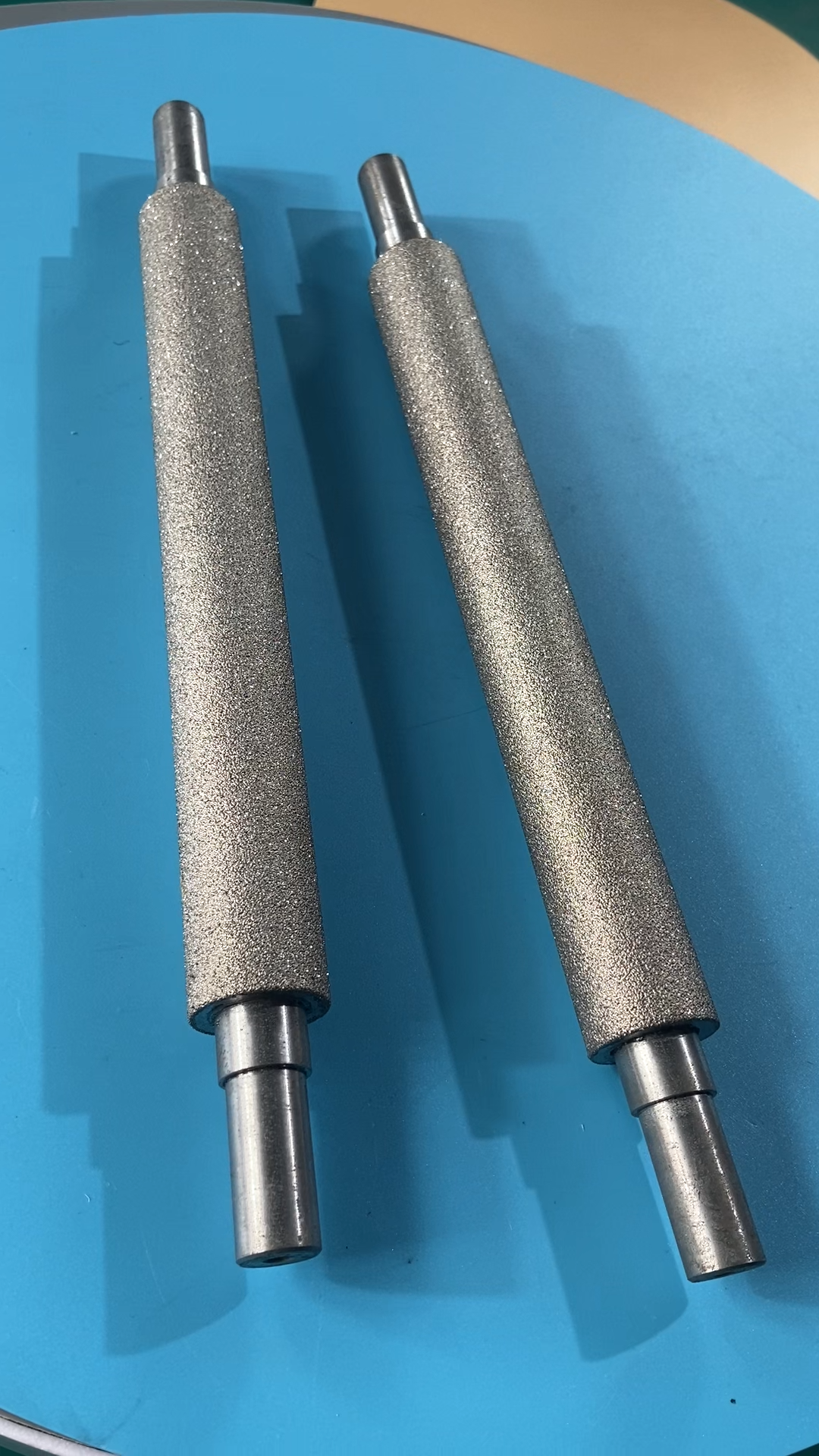
A diamond tool is only as good as the bond holding the diamonds in place. Weak bonding means diamonds pull out early and tool life drops. Precision brazing solves that problem.
Heat treatment of 316L stainless steel is an important process used to improve corrosion resistance, relieve internal stresses, and maintain the material’s mechanical properties for industrial applications.