Vacuum Brazing of Stainless Steel and Gold-Plated Pins with Ceramic for High-Reliability Electronic Components
Normantherm•2/11/2026
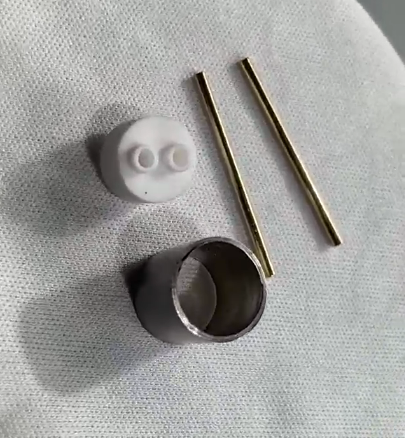
Metal-to-ceramic joining is a critical manufacturing process in industries where electrical insulation, corrosion resistance, and hermetic sealing are essential. Stainless steel and gold-plated stainless steel pins soldered to ceramic substrates are widely used in feedthroughs, sensors, power modules, and precision electronic assemblies.
Vacuum brazing has become the preferred technology for producing reliable stainless steel–ceramic and gold-plated pin assemblies due to its cleanliness, precision, and repeatability.
Joining stainless steel pins to ceramic components is fundamentally different from conventional metal-to-metal welding. Ceramics have low thermal expansion tolerance and require controlled heating to avoid cracking. At the same time, gold-plated stainless steel pins must retain surface integrity to ensure consistent electrical conductivity.
Traditional soldering methods often introduce oxidation, flux residue, or contamination. These factors can compromise electrical performance and long-term sealing reliability.
Vacuum brazing eliminates these risks by providing a contamination-free environment.
Benefits of Vacuum Brazing Stainless Steel and Gold-Plated Pins to Ceramic
Vacuum brazing enables clean, stable joining without oxidation or surface damage. The process ensures proper wetting of the brazing filler to both metal and ceramic surfaces while maintaining tight process control.
Key technical advantages include:
Oxidation-free metal-to-ceramic bonding
Strong, hermetic sealing performance
Preservation of gold plating conductivity
Minimal thermal stress and distortion
High repeatability for precision batch production
These characteristics are essential for high-reliability electronic applications.
Performance Characteristics of Finished Ceramic-Pin Assemblies
After vacuum brazing, stainless steel and gold-plated pin assemblies demonstrate excellent mechanical strength and electrical stability. The ceramic provides insulation and thermal resistance, while the metal pins ensure structural support and signal transmission.
Finished products typically exhibit:
Stable electrical conductivity
High insulation resistance
Corrosion-resistant interfaces
Long-term performance under thermal cycling
Consistent dimensional accuracy
These properties are critical for components used in sensitive electronic systems.
Applications in India’s Electronics and Precision Manufacturing Sector
India’s electronics manufacturing ecosystem is expanding rapidly, particularly in power electronics, industrial sensors, automotive electronics, and semiconductor-related components.
Vacuum-brazed stainless steel and ceramic assemblies are commonly used in:
Electrical feedthrough connectors
Sensor housings and terminals
High-voltage insulation components
Industrial control systems
Power module packaging
As reliability standards increase, manufacturers require advanced joining technologies that meet international quality benchmarks.
These capabilities help manufacturers achieve consistent hermetic sealing, improved yield rates, and dependable long-term product performance.
Conclusion
Stainless steel and gold-plated stainless steel pins soldered to ceramic components require precise, oxidation-free joining to ensure electrical reliability and structural integrity. Vacuum brazing provides the control and cleanliness necessary for high-performance metal-to-ceramic assemblies.
With advanced vacuum furnace technology and proven process expertise, Normantherm supports global and Indian electronics manufacturers in producing reliable, high-quality ceramic soldered components for critical applications.
You may also like
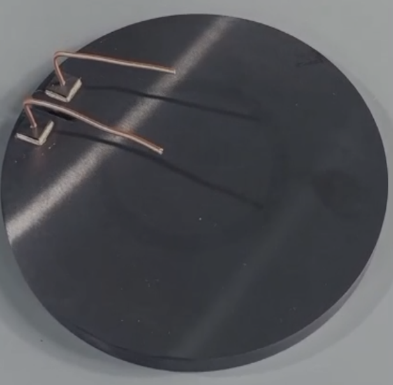
Silicon carbide heating plate electrode welding
Silicon carbide heating plate electrode welding is a specialized joining process used to manufacture high-performance heating components for vacuum furnaces, semiconductor equipment, and industrial thermal systems.
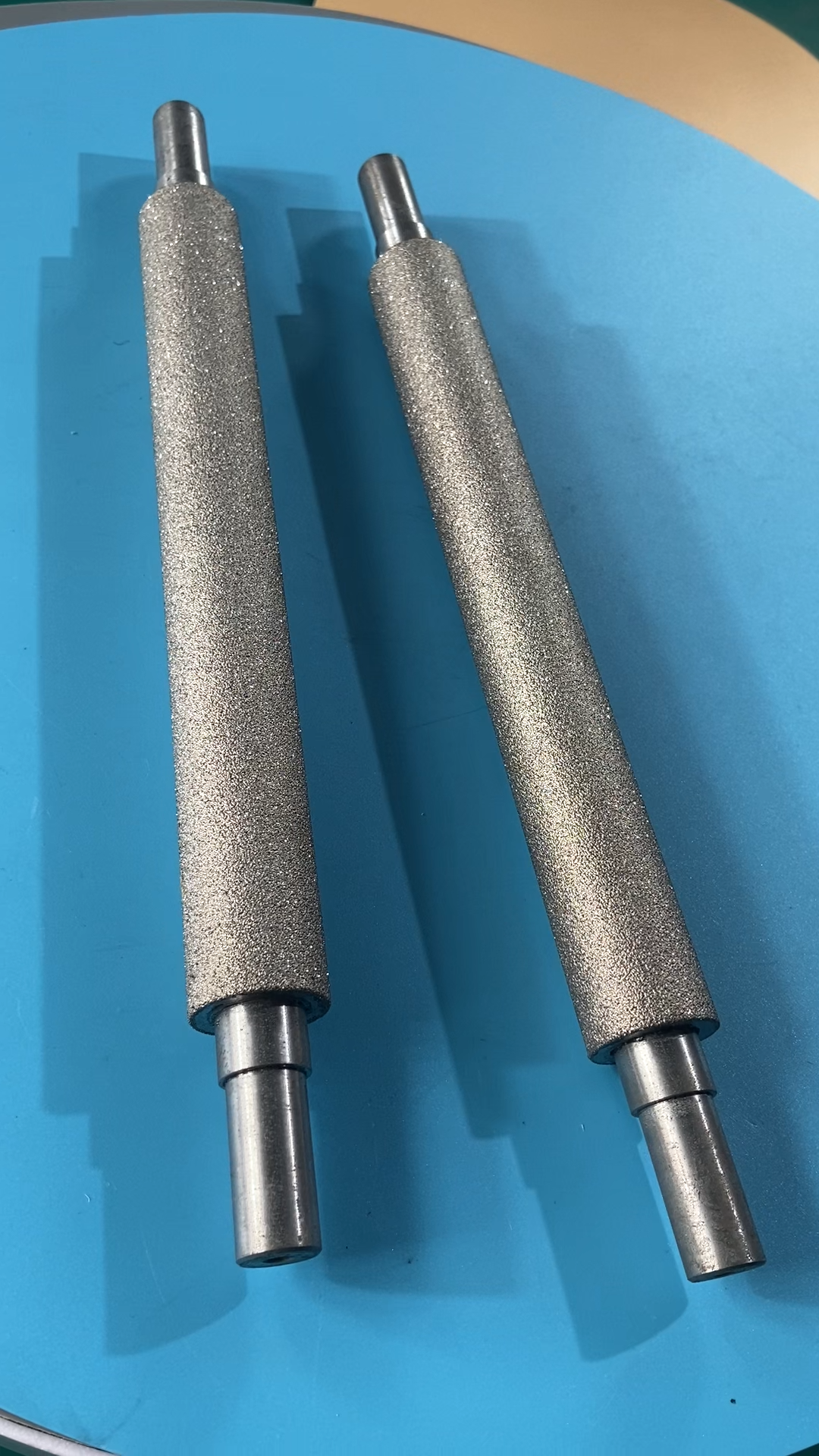
A diamond tool is only as good as the bond holding the diamonds in place. Weak bonding means diamonds pull out early and tool life drops. Precision brazing solves that problem.
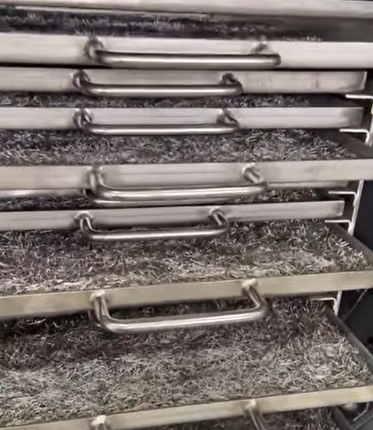
Heat treatment of 316L stainless steel is an important process used to improve corrosion resistance, relieve internal stresses, and maintain the material’s mechanical properties for industrial applications.