Vacuum Brazing of Metal Ceramics and Tungsten Steel for High-Performance Finished Products
Normantherm•3/30/2026
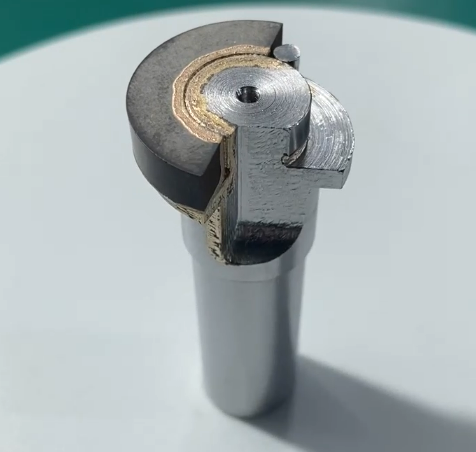
The demand for high-performance industrial components has led to increased use of advanced material combinations such as metal ceramics and tungsten steel. These materials offer complementary properties that enable superior performance in extreme operating conditions.
Metal ceramics provide excellent thermal stability, corrosion resistance, and electrical insulation or conductivity depending on composition, while tungsten steel offers unmatched hardness and wear resistance. Combining these materials into a single finished product requires precise and controlled joining technology.
Vacuum brazing has emerged as the preferred solution for manufacturing such complex assemblies.
Why Metal Ceramics and Tungsten Steel Are Combined
In many industrial applications, a single material cannot meet all performance requirements. Metal ceramics and tungsten steel are often combined to achieve a balance between durability, thermal resistance, and mechanical strength.
Tungsten steel is used in areas exposed to abrasion, cutting forces, or mechanical wear, while metal ceramics are applied in regions requiring thermal insulation, corrosion resistance, or electrical stability.
This combination is especially valuable in high-performance tools and components.
Challenges in Joining Advanced Materials
Joining metal ceramics with tungsten steel presents several technical challenges.
These materials have significantly different thermal expansion rates, bonding characteristics, and structural properties. Conventional welding methods often result in weak joints, cracking, or thermal damage.
Achieving a stable, defect-free bond requires:
Controlled heating and cooling cycles
Oxidation-free processing conditions
Precise selection of brazing filler materials
Uniform temperature distribution
Vacuum brazing addresses all of these requirements.
Advantages of Vacuum Brazing for Metal Ceramic Assemblies
Vacuum brazing is performed in a sealed environment where oxygen and contaminants are removed. This ensures clean, high-quality joints between dissimilar materials.
Key benefits include:
Oxidation-free bonding between ceramic and metal surfaces
Strong metallurgical joints with high reliability
Minimal thermal stress and distortion
Clean surfaces without flux residue
High repeatability for batch production
These advantages make vacuum brazing ideal for advanced material combinations.
Performance Characteristics of Finished Products
Finished products made from metal ceramics and tungsten steel exhibit superior performance in demanding industrial environments.
These components typically offer:
Exceptional wear resistance
High thermal stability under extreme conditions
Strong mechanical integrity
Resistance to corrosion and chemical exposure
Long service life with minimal maintenance
Such characteristics are essential for high-performance industrial applications.
Applications in India’s Industrial Manufacturing Sector
In India, components made from metal ceramics and tungsten steel are increasingly used in:
Cutting and machining tools
Wear-resistant industrial parts
Electronics and semiconductor components
High-temperature processing equipment
Precision engineering applications
As industries continue to modernize, demand for advanced material solutions is steadily increasing.
Normantherm’s Role in Advanced Material Vacuum Brazing
Normantherm designs and manufactures advanced vacuum brazing furnaces specifically for complex material joining applications.
Our systems provide:
High-vacuum, contamination-free processing
Precise temperature control and uniform heating
Stable and repeatable brazing cycles
Capability to handle complex geometries and materials
These features allow manufacturers to produce high-quality finished products with consistent performance.
Conclusion
Finished products made from metal ceramics and tungsten steel represent a new level of performance in industrial manufacturing. By combining the strengths of both materials, manufacturers can achieve exceptional durability, thermal stability, and operational reliability.
With advanced vacuum brazing technology and precise process control, Normantherm enables the production of high-performance components that meet the evolving demands of modern industry.
You may also like
Silicon carbide heating plate electrode welding
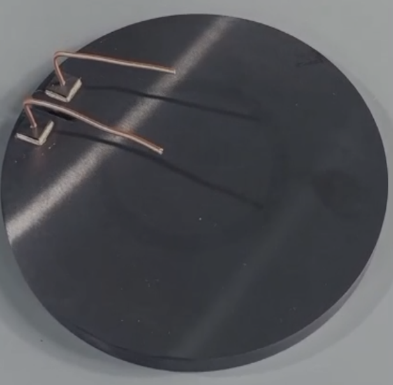
Silicon carbide heating plate electrode welding is a specialized joining process used to manufacture high-performance heating components for vacuum furnaces, semiconductor equipment, and industrial thermal systems.
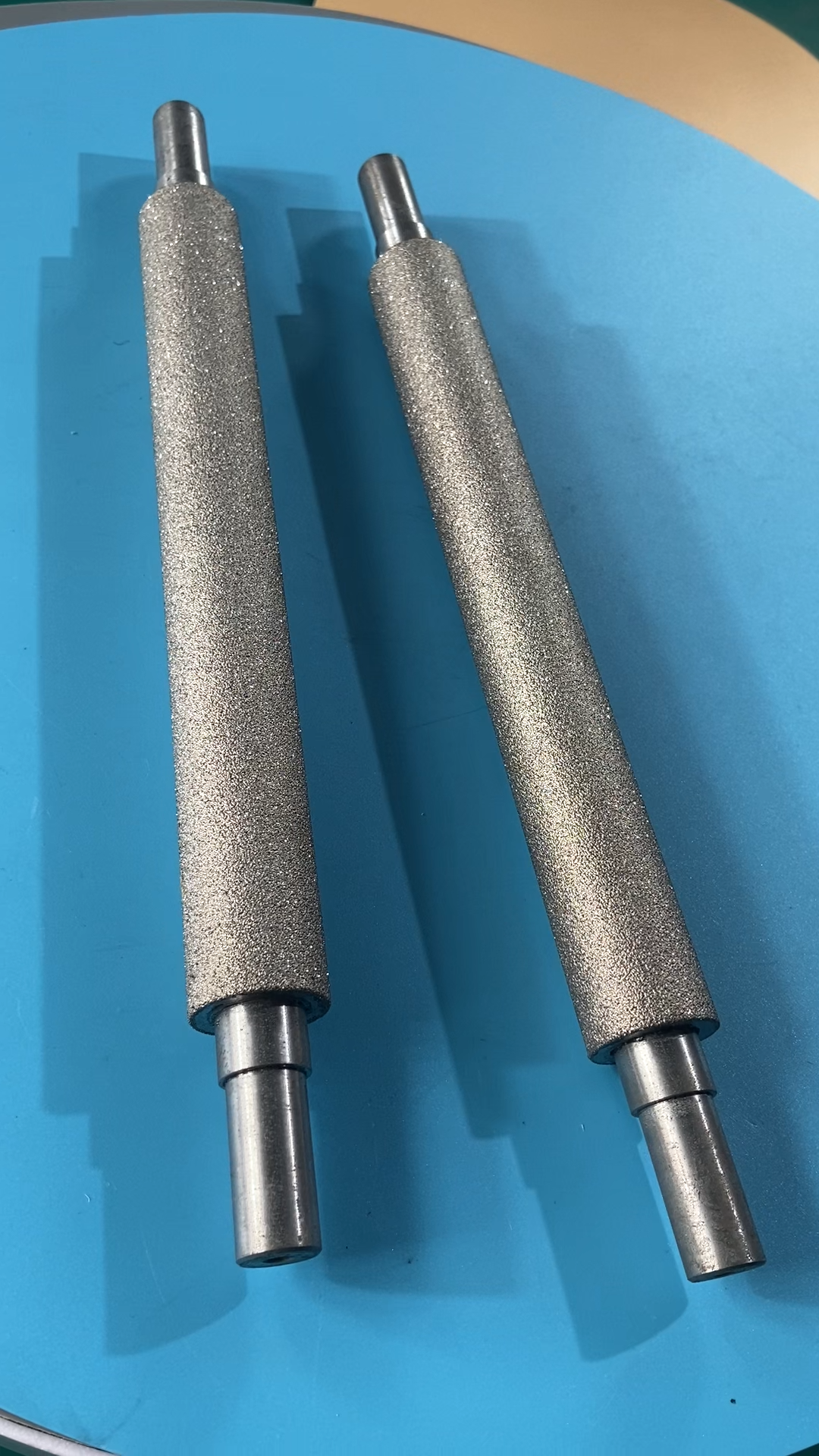
A diamond tool is only as good as the bond holding the diamonds in place. Weak bonding means diamonds pull out early and tool life drops. Precision brazing solves that problem.
Heat treatment of 316L stainless steel is an important process used to improve corrosion resistance, relieve internal stresses, and maintain the material’s mechanical properties for industrial applications.