Vacuum brazing of copper to copper finished product
Normantherm•5/18/2026
Vacuum brazing of copper to copper is a highly efficient joining process used for manufacturing precision thermal and electrical components in industries such as semiconductor, HVAC, power electronics, and industrial cooling systems. The process produces strong, clean, and high-conductivity joints without oxidation or contamination.
In vacuum brazing, copper components are assembled with a suitable filler material and heated inside a high-vacuum furnace at controlled temperatures. The vacuum environment prevents surface oxidation and allows the molten filler alloy to flow uniformly between the copper parts, creating a strong metallurgical bond with excellent thermal and electrical conductivity.
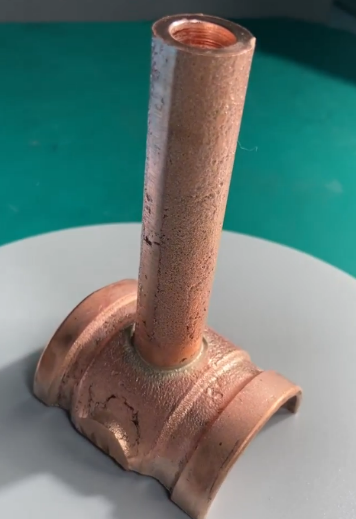
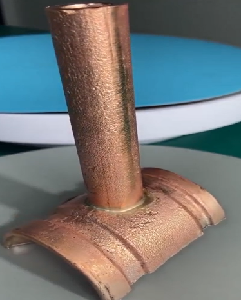
The product shown above is a vacuum brazed copper-to-copper assembly designed for efficient heat transfer and fluid flow applications. The brazed joint provides high mechanical strength, leak-free performance, and excellent durability under high-temperature operating conditions. Vacuum brazing also maintains dimensional accuracy and surface cleanliness, which are essential for precision industrial applications.
Due to its superior bonding quality and reliability, vacuum brazing of copper-to-copper components is widely used in cooling systems, heat exchangers, induction equipment, and advanced thermal management applications where efficient heat dissipation and long service life are critical.
You may also like
Silicon carbide heating plate electrode welding
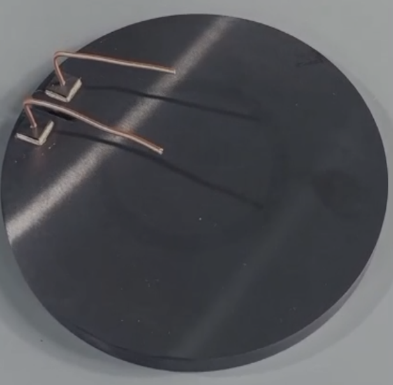
Silicon carbide heating plate electrode welding is a specialized joining process used to manufacture high-performance heating components for vacuum furnaces, semiconductor equipment, and industrial thermal systems.
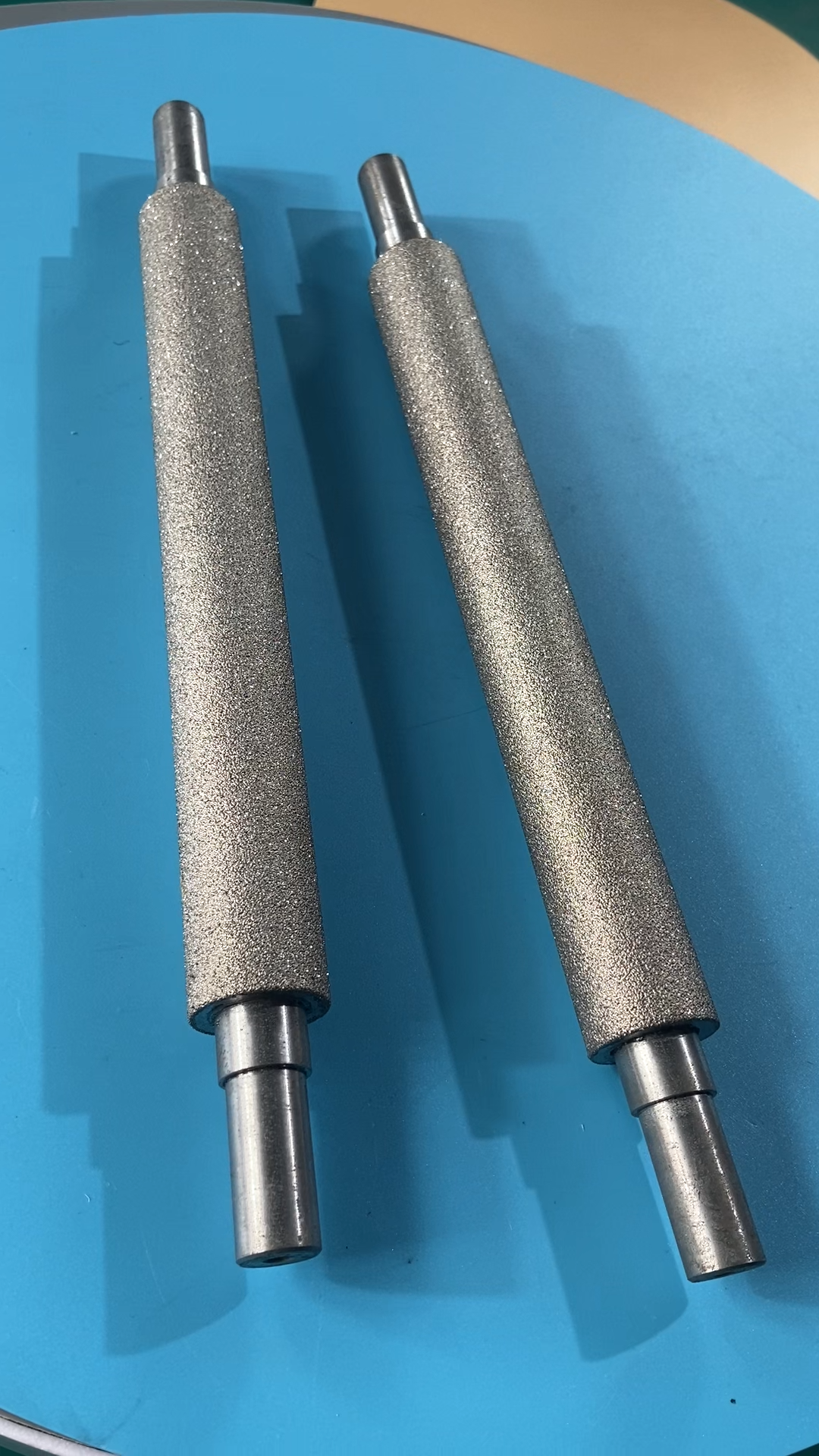
A diamond tool is only as good as the bond holding the diamonds in place. Weak bonding means diamonds pull out early and tool life drops. Precision brazing solves that problem.
Heat treatment of 316L stainless steel is an important process used to improve corrosion resistance, relieve internal stresses, and maintain the material’s mechanical properties for industrial applications.