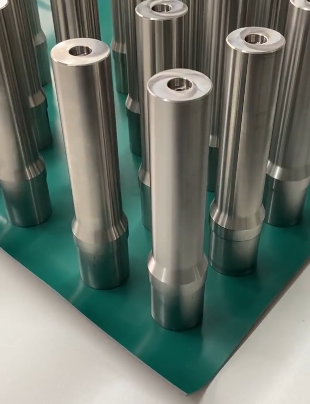
This before and after comparison clearly shows the impact of precision welding when joining PDC Polycrystalline Diamond Compact to stainless steel. Before welding the PDC cutter and stainless steel base exist as separate components each with its own mechanical and material properties. At this stage there is no load transfer capability and the parts cannot withstand cutting or drilling forces.
After welding the transformation is evident. The PDC is securely bonded to the stainless steel substrate through a clean and uniform joint that ensures strong load distribution and excellent structural integrity. Advanced welding or brazing techniques are used to control heat input protect the PDC layer and prevent thermal damage while achieving reliable metallurgical bonding.
The finished assembly demonstrates high wear resistance excellent impact strength and stable performance under extreme operating conditions. Clean joint interfaces improve tool balance and reduce the risk of premature failure during high-speed cutting or drilling operations. This welding process significantly extends tool life and improves operational efficiency.
PDC welded stainless steel components are widely used in oil and gas drilling mining machining and other heavy-duty industrial applications where precision durability and long-term reliability are critical. This before and after comparison highlights how proper welding technology turns individual materials into a high-performance cutting solution.
You may also like
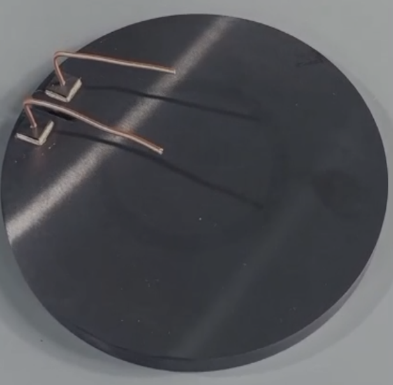
Silicon carbide heating plate electrode welding
Silicon carbide heating plate electrode welding is a specialized joining process used to manufacture high-performance heating components for vacuum furnaces, semiconductor equipment, and industrial thermal systems.
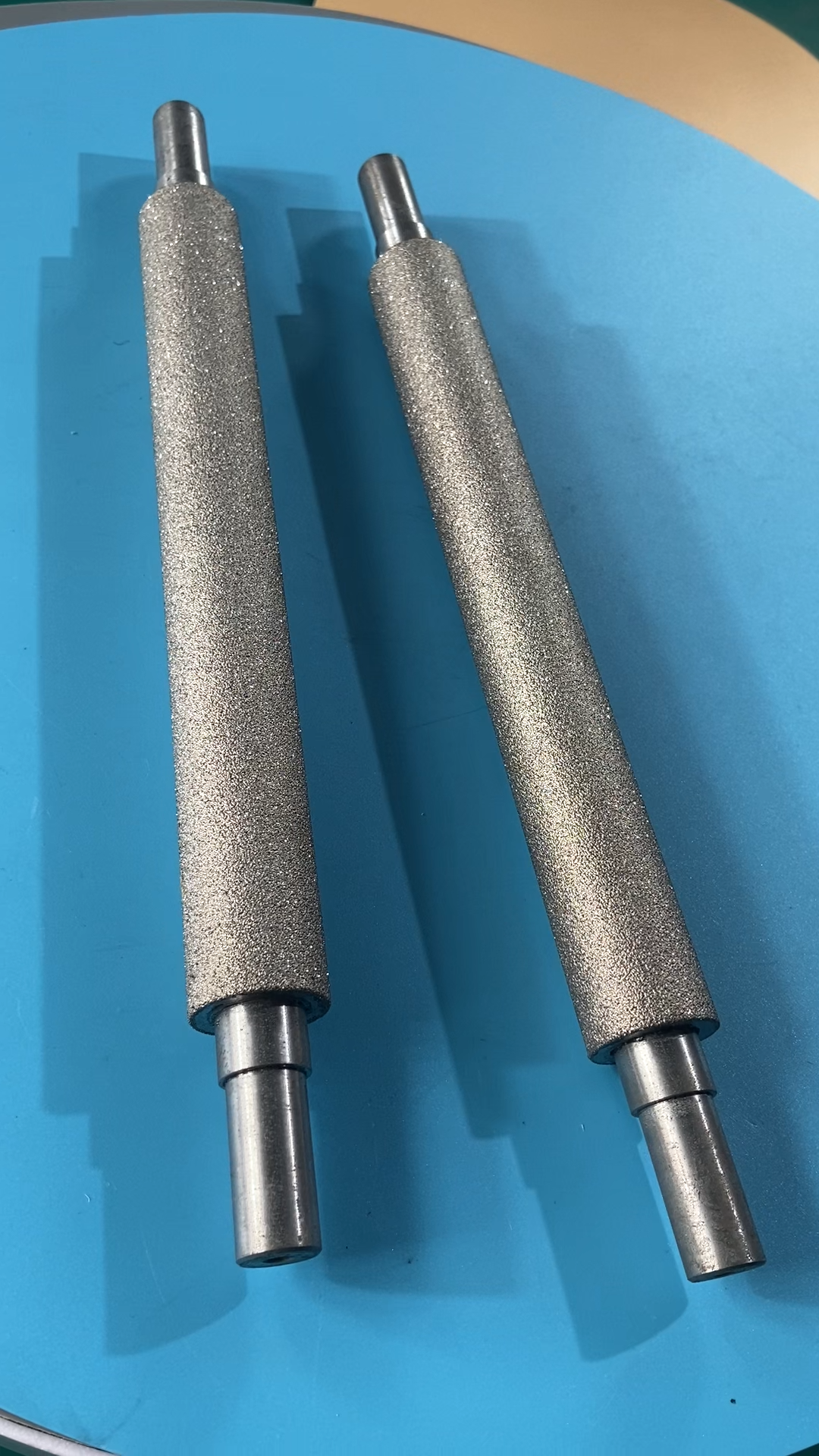
A diamond tool is only as good as the bond holding the diamonds in place. Weak bonding means diamonds pull out early and tool life drops. Precision brazing solves that problem.
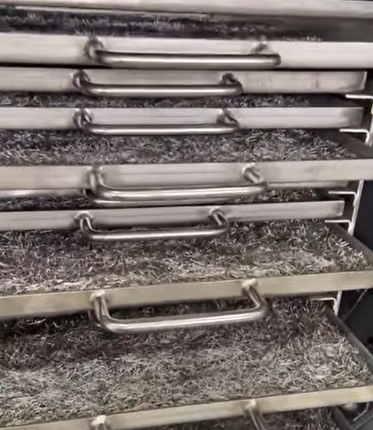
Heat treatment of 316L stainless steel is an important process used to improve corrosion resistance, relieve internal stresses, and maintain the material’s mechanical properties for industrial applications.