Vacuum Brazing of Silicon Nitride Tungsten Silver Contact Electrodes
Normantherm•1/9/2026
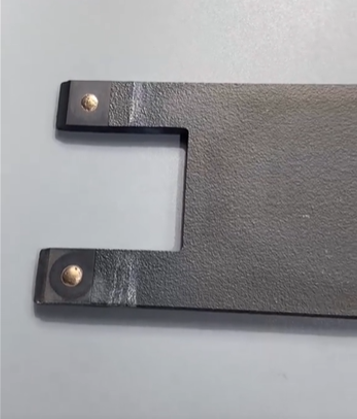
Vacuum brazing is a high-precision joining process used to manufacture silicon nitride tungsten electrode silver contacts for advanced electrical and power control applications. This method enables reliable ceramic metal bonding where conventional welding is not feasible.
The process is carried out in a high-temperature vacuum furnace that eliminates oxygen and prevents surface contamination. An active silver-based brazing alloy with elements such as titanium promotes strong chemical interaction with silicon nitride while forming a stable metallurgical bond with the tungsten electrode. Controlled heating ensures uniform filler flow and a dense hermetic joint.
The vacuum-brazed interface delivers excellent electrical conductivity high thermal stability and strong mechanical integrity. Silicon nitride provides insulation wear resistance and thermal shock resistance while tungsten offers high-temperature strength and structural stability. The silver contact layer enhances current transfer and long-term contact reliability. These vacuum brazed silicon nitride tungsten silver contact assemblies are widely used in high-reliability electrical systems power electronics and industrial equipment where stable performance and long service life are critical.
You may also like
Vacuum Brazed H13 Tool Steel and Tungsten Carbide Assembly
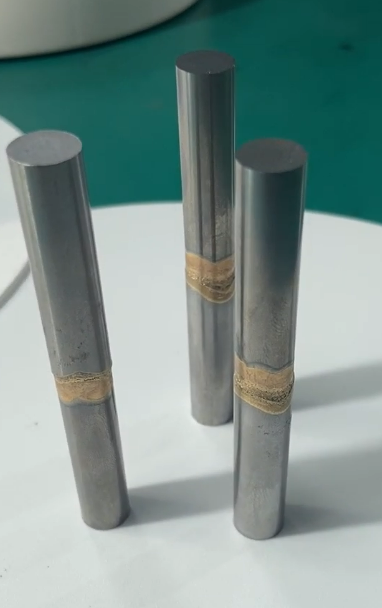
The components shown above are H13 tool steel and tungsten carbide assemblies processed in a Normantherm vacuum brazing furnace. This material combination is commonly used in punching tools, wear parts, forming dies, and cutting applications where both toughness and wear resistance are required.
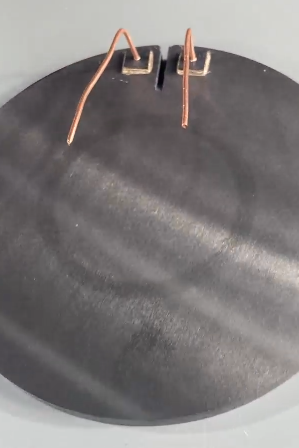
A silicon carbide heating plate is built for extreme temperatures. But the electrode connection is often the weakest link. Poor welding creates resistance heat buildup and premature failure.
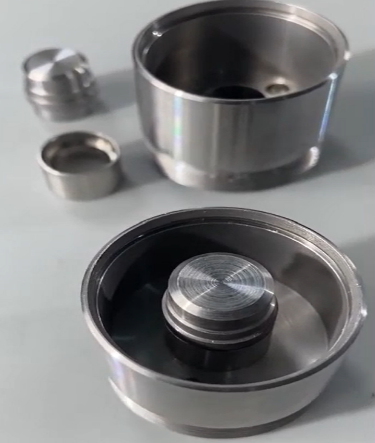
Vacuum brazing of carbon steel with stainless steel
Vacuum brazing of carbon steel with stainless steel is an advanced joining process widely used in industrial, automotive, aerospace, and precision engineering applications where high-strength and leak-free assemblies are required.