Mold Steel and Tungsten Steel Welding for High-Wear Applications
Normantherm•2/3/2026
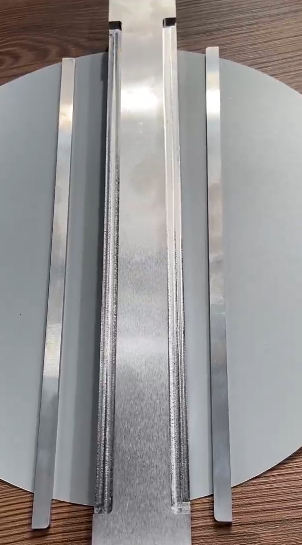
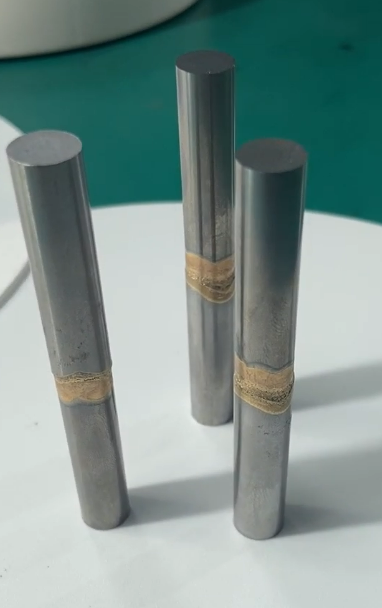
Mold steel and tungsten steel welding is a specialized joining process used to produce high-strength tooling components for demanding industrial environments. Mold steel provides toughness dimensional stability and good machinability while tungsten steel offers extreme hardness and superior wear resistance.
Advanced welding and brazing techniques ensure reliable bonding between these two materials while controlling heat input to prevent cracking or distortion. The resulting welded assemblies deliver excellent wear resistance strong joint integrity and long service life even under heavy loads and repeated operation.
This combination is widely used in molds cutting tools dies punches and industrial wear parts where precision durability and performance are critical for long-term productivity.
You may also like
Vacuum Brazed H13 Tool Steel and Tungsten Carbide Assembly
The components shown above are H13 tool steel and tungsten carbide assemblies processed in a Normantherm vacuum brazing furnace. This material combination is commonly used in punching tools, wear parts, forming dies, and cutting applications where both toughness and wear resistance are required.
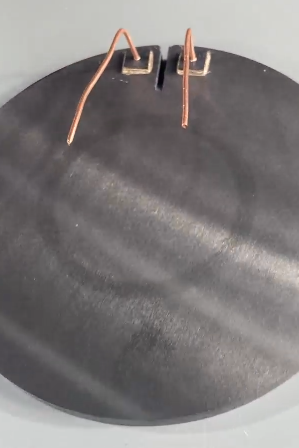
A silicon carbide heating plate is built for extreme temperatures. But the electrode connection is often the weakest link. Poor welding creates resistance heat buildup and premature failure.
Vacuum brazing of carbon steel with stainless steel
Vacuum brazing of carbon steel with stainless steel is an advanced joining process widely used in industrial, automotive, aerospace, and precision engineering applications where high-strength and leak-free assemblies are required.